



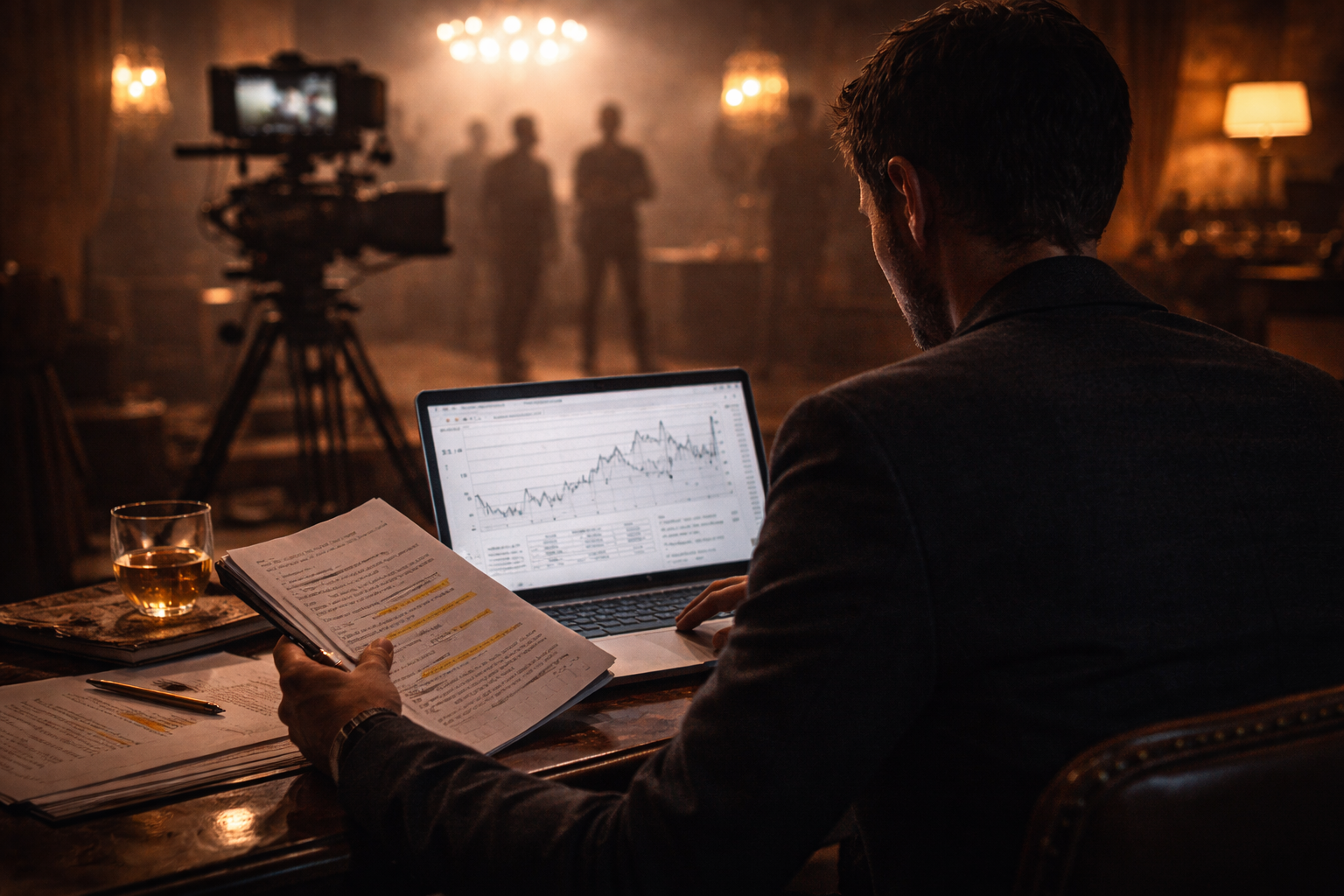
Before a film ever reaches a screen, a festival, or even a casting announcement, it exists in a far less visible but far more decisive phase: the pre-funding stage. This is where most projects quietly disappear, not because they lack creativity, but because they fail to translate vision into something that can be understood, evaluated, and ultimately trusted by the people who finance it.
In this early stage, the project is not yet a “film”—it is a package in formation. Producers are assembling the elements that will determine whether the project is perceived as viable or risky. This includes not only the script, but also the positioning of the project within the market, the preliminary budget structure, potential casting strategies, and the early outlines of distribution possibilities. Each of these components contributes to how the project will be received long before a single investor is approached.
One of the most misunderstood aspects of this phase is the importance of coherence. A project may have a strong script, but if the budget is disconnected from market realities, or if the casting strategy does not align with the intended audience, the entire package begins to weaken. Investors and industry professionals are not evaluating isolated elements; they are evaluating how all pieces fit together into a credible, executable plan.

Unlock the Entire Empowering Entertainment Library
This article is only the beginning.
Become a member and enjoy unlimited access to every premium magazine article, expert interviews, in-depth features, practical guides, and a growing digital library of hundreds of books covering business, entrepreneurship, film production, personal growth, health, relationships, AI, ADHD, and much more.
One membership. Hundreds of resources. New content added every week.