





The Shift Studios Can No Longer Ignore
When a major studio like Warner Bros. launches a specialty label modeled after companies such as A24 and Neon, it is not experimentation—it is adaptation. For over a decade, studios treated arthouse cinema as a peripheral asset, useful for awards and brand prestige but not central to revenue strategy. That separation is now collapsing. The creation of Clockwork signals a structural recognition: cultural relevance has become a revenue driver, not just a reputational one. Studios are no longer comfortable watching independent distributors dominate the conversation around what films matter. They want ownership of that influence again.
Why Sean Baker Became a $22M Decision
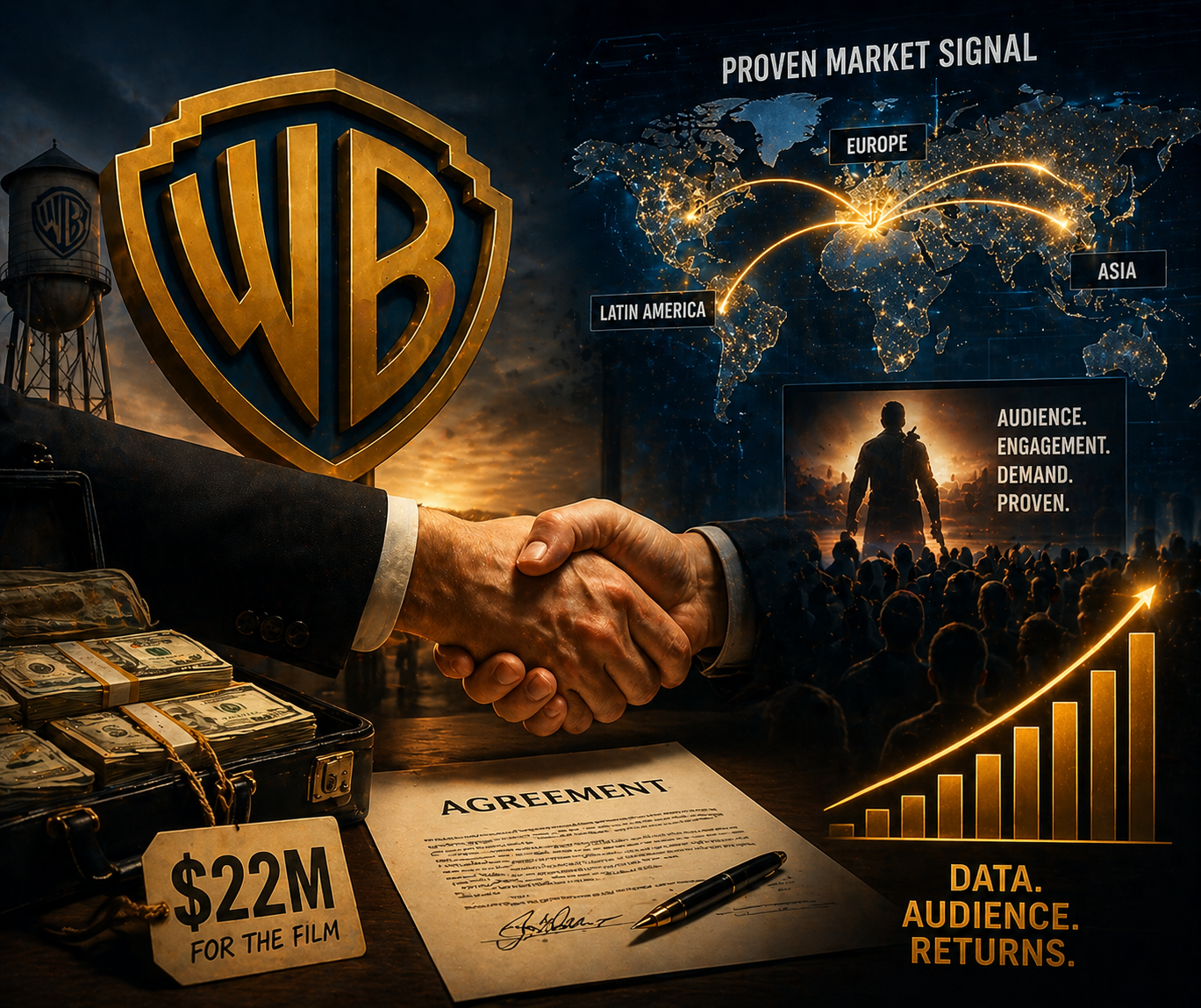
The $22M acquisition tied to Sean Baker is not a sudden elevation—it is a delayed pricing correction. Baker’s work, from Tangerine to The Florida Project and most recently Anora, has consistently demonstrated a clear authorial voice, strong audience resonance, and increasing market validation. What changed is not the filmmaker—it is the level of certainty around his commercial viability. Once Anora crossed both financial and awards thresholds, the perceived risk dropped. The market responded accordingly. This is how valuation actually works in film: not based on raw talent, but on accumulated proof.
What Warner Bros. Is Actually Buying
The transaction is not about one film. It is about a bundle of intangible assets that have become increasingly monetizable: credibility, cultural positioning, press traction, festival leverage, and audience trust. These are the same components that allowed companies like A24 and Neon to transform modestly budgeted films into global conversation drivers. What Warner Bros. is acquiring is the ability to participate in that ecosystem internally rather than compete against it externally. In practical terms, they are buying a filmmaker whose work arrives pre-positioned in the market, reducing the burden on traditional marketing spend to create awareness from scratch.
The Economics of “Small” Films Have Changed
The most important shift revealed here is that budget size is no longer the primary indicator of potential return. A $6M film with strong identity, disciplined execution, and strategic positioning can outperform significantly larger productions that lack clarity and urgency. The industry is moving away from scale-driven assumptions toward precision-driven outcomes. The question is no longer how big a film is, but how clearly it is defined and how effectively it reaches a specific audience that feels compelled to engage. This is where many large productions fail—they are built broadly but resonate narrowly.
The Real Lesson for Filmmakers
There is a temptation to interpret this moment as validation that any independent filmmaker can now command major deals. That interpretation is incorrect. What is being rewarded is not independence alone, but consistency that becomes legible to the market. Baker’s trajectory reflects years of building a recognizable cinematic identity. His films are not interchangeable; they are identifiable. That distinction is critical. The market does not pay for experimentation—it pays for patterns it can trust.
The Investor Perspective: From Creative Risk to Structured Opportunity
From an investment standpoint, this deal reinforces a principle that is often overlooked: film becomes investable when it is structured, not when it is simply created. The success of projects like Anora is not accidental; it is the result of aligning multiple factors early—festival strategy, audience targeting, awards positioning, and distribution pathways. When these elements are integrated from the outset, the film transitions from a speculative creative endeavor into a calculated market entry. Warner Bros. is stepping in after that structure has already proven effective. The greater opportunity lies earlier, before the valuation shifts.
The Rise of the Hybrid Model
The launch of Clockwork ultimately reflects a broader industry evolution. The future is not a competition between studios and independents, but a convergence of both. Studios bring scale, capital, and infrastructure. Independent models bring cultural sensitivity, agility, and audience connection. The companies that succeed will be those that integrate these strengths rather than operate them in isolation. What Warner Bros. is building is not just a label—it is a bridge between two systems that can no longer afford to remain separate.
What This Signals Going Forward
This move should be read as an early indicator of how value will be assigned in the coming years. Filmmakers who can combine creative distinctiveness with market awareness will command disproportionate attention. Investors who understand how to identify and structure these opportunities before they are validated publicly will capture the most upside. And studios that fail to adapt to this hybrid model will continue to overpay for scale while underperforming in relevance.
The $22M headline is attention-grabbing. The structural shift behind it is what actually matters.


