





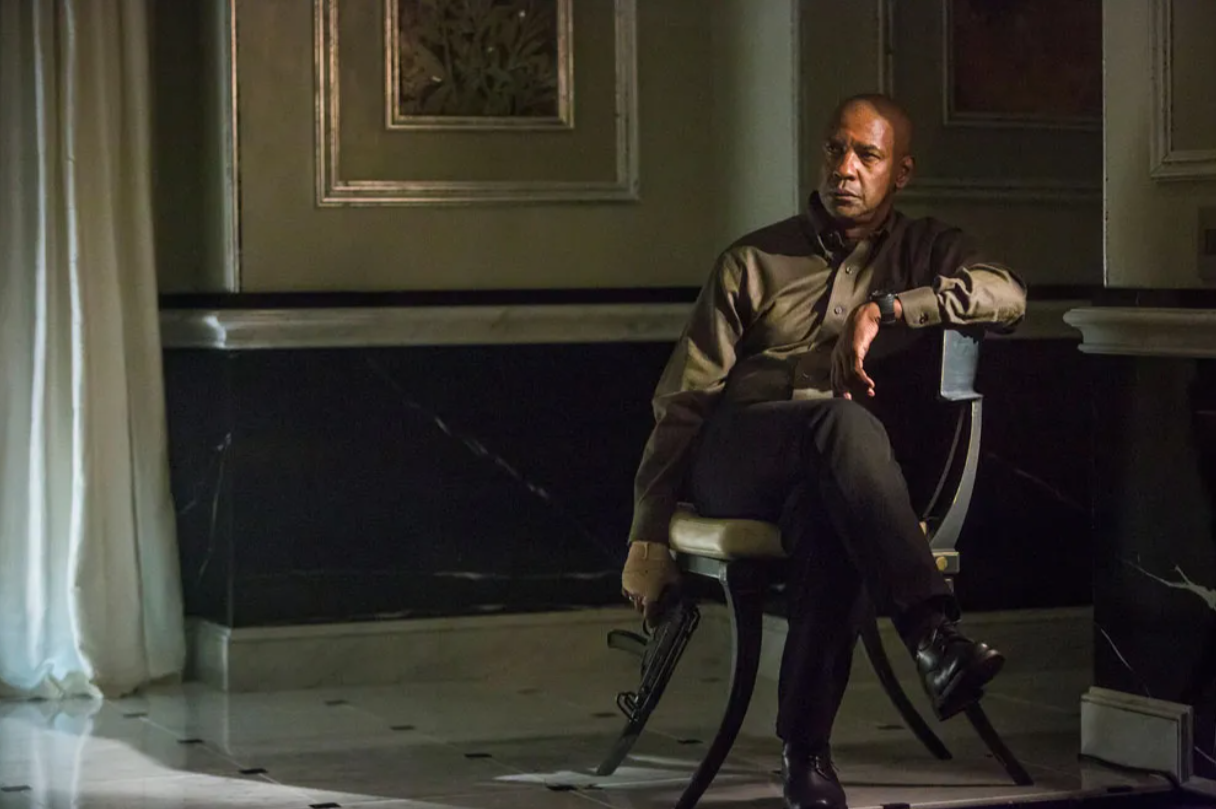
When a film is positioned as a “final chapter,” it is rarely just a creative decision. More often, it reflects a calculated balance between narrative closure, contractual realities, and market expectations. This is precisely what makes the confirmed development of The Equalizer 4 particularly significant. Despite The Equalizer 3 being framed as the conclusion of Robert McCall’s story, the franchise has now extended beyond its supposed endpoint—revealing something deeper about the mechanics of modern film economics and audience behavior.
At the center of this continuation is Denzel Washington, whose return is not merely a casting decision but the foundational pillar of the entire franchise’s viability. Unlike many action series that rely on interchangeable spectacle, The Equalizer operates on a character-driven model where audience loyalty is tied directly to the presence and credibility of its lead. Washington’s agreement to return not only for a fourth installment but also a fifth fundamentally shifts the conversation from trilogy closure to long-term asset exploitation. In industry terms, this is no longer a contained series—it becomes a scalable intellectual property with renewed lifecycle potential.


Unlock the Entire Empowering Entertainment Library
This article is only the beginning.
Become a member and enjoy unlimited access to every premium magazine article, expert interviews, in-depth features, practical guides, and a growing digital library of hundreds of books covering business, entrepreneurship, film production, personal growth, health, relationships, AI, ADHD, and much more.
One membership. Hundreds of resources. New content added every week.