




The Strategic Return of Maverick
Why a Third Top Gun Film Signals a Structural Shift in Hollywood
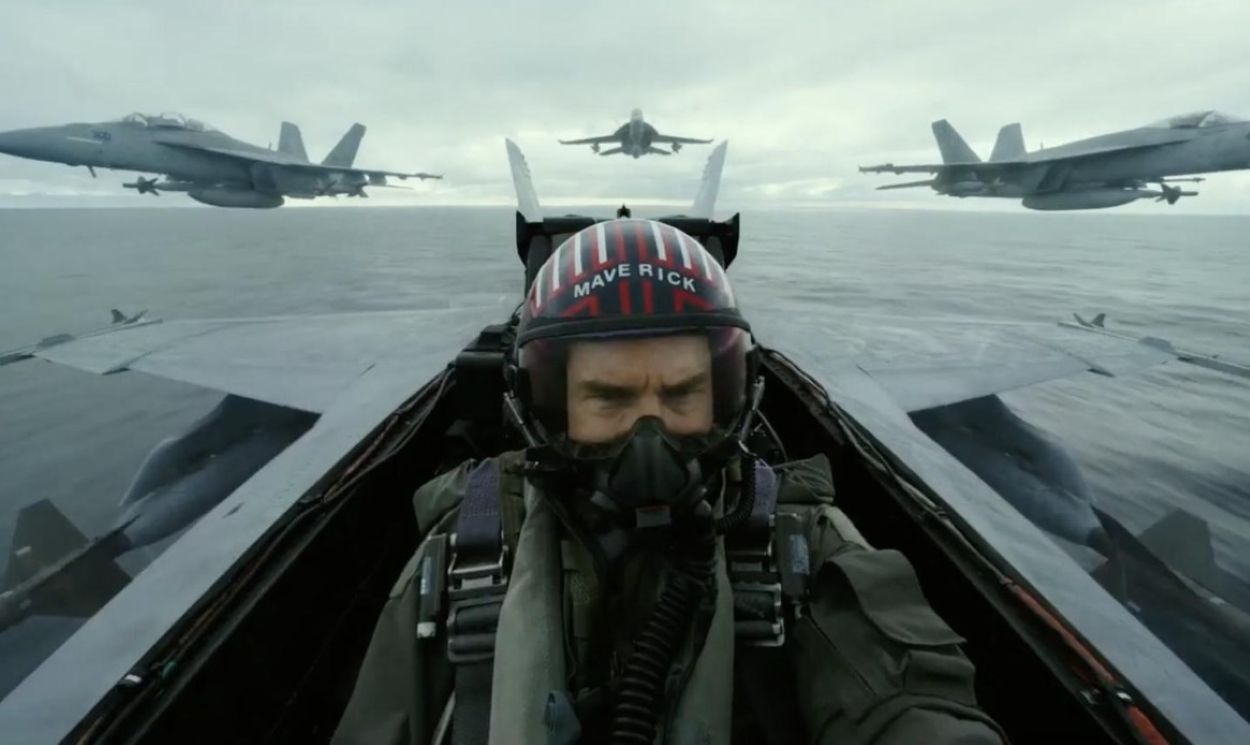
The announcement that Paramount Pictures is moving forward with a third Top Gun film, once again led by Tom Cruise as Maverick, is not merely an extension of a successful franchise; it is a signal of where the industry is reallocating confidence. At a time when many large-scale cinematic universes are struggling with audience fatigue and declining marginal returns, this decision reflects a growing preference for controlled, high-integrity intellectual property—brands that can be expanded without losing their internal logic, emotional weight, or technical credibility.
Beyond Nostalgia
The Difference Between Reuse and Reinvention
Most people are misreading why Top Gun: Maverick worked—and that misunderstanding is exactly where the risk begins for the third film.
It is easy to attribute its success to nostalgia, to assume that revisiting a beloved character was enough to generate emotional engagement at scale. But that explanation is not only incomplete, it is dangerously misleading. Nostalgia did not carry the film; it opened the door. What kept audiences invested—what turned the film into a global event rather than a temporary spike in attention—was something far more difficult to replicate: a deliberate, almost surgical level of execution that rebuilt trust where the industry had quietly lost it.


The film did not rely on excess. It relied on control. Practical cinematography that felt real rather than simulated. A narrative structure that moved with intention instead of expansion. A tone that respected the audience’s intelligence rather than compensating for it. These choices are subtle when experienced, but decisive when analyzed—and they are precisely what most sequels fail to understand.
This is where the third installment becomes far more than a continuation. It becomes a test. Because once nostalgia has already been spent, what remains is expectation—and expectation is far less forgiving. The emotional beats have been delivered. The return has been experienced. What audiences are now measuring is not familiarity, but necessity.
And necessity is a much harder standard to meet.


Unlock the Entire Empowering Entertainment Library
This article is only the beginning.
Become a member and enjoy unlimited access to every premium magazine article, expert interviews, in-depth features, practical guides, and a growing digital library of hundreds of books covering business, entrepreneurship, film production, personal growth, health, relationships, AI, ADHD, and much more.
One membership. Hundreds of resources. New content added every week.