





Redefining What a Suit Means in the Modern Era of Sport and Influence
The Suit Is No Longer Clothing—It Is Communication
In the world of luxury tailoring, the suit has traditionally been defined by restraint. Precision cuts, muted tones, and timeless silhouettes have long served as the standard markers of elegance. Yet in a modern landscape where visibility, personality, and narrative increasingly define influence, a new interpretation of tailoring has emerged—one that transforms garments into statements rather than simply attire.
At the center of this evolution stands Nav Salimian, the creative force behind the now-iconic suits worn by Tyson Fury.
What distinguishes this partnership is not simply the boldness of the designs, but the intention behind them. These suits are not created to follow trends or adhere to traditional standards of elegance. They are designed to communicate—to project identity, to influence perception, and, in many cases, to shape the psychological dynamics of the moment before a single punch is thrown.
From Tailor to Narrative Architect

Nav Salimian’s role extends far beyond that of a traditional tailor. His work exists at the intersection of fashion, storytelling, and performance. As part of the family-run Claudio Lugli, founded by his father, Salimian brings a second-generation perspective that blends heritage craftsmanship with a contemporary understanding of branding and visibility.
The relationship with Tyson Fury began under intense pressure—an 18-hour turnaround to create a suit for a major press conference ahead of the fighter’s bout with Wladimir Klitschko.
What followed was not a one-off collaboration, but the beginning of a creative partnership that would redefine how athletes present themselves outside the ring.
Over time, Salimian evolved from designer to strategist, becoming an integral part of Fury’s team—someone who understands not only how to dress the fighter, but how to translate his personality, mindset, and narrative into visual form.
Designing for Personality, Not Convention


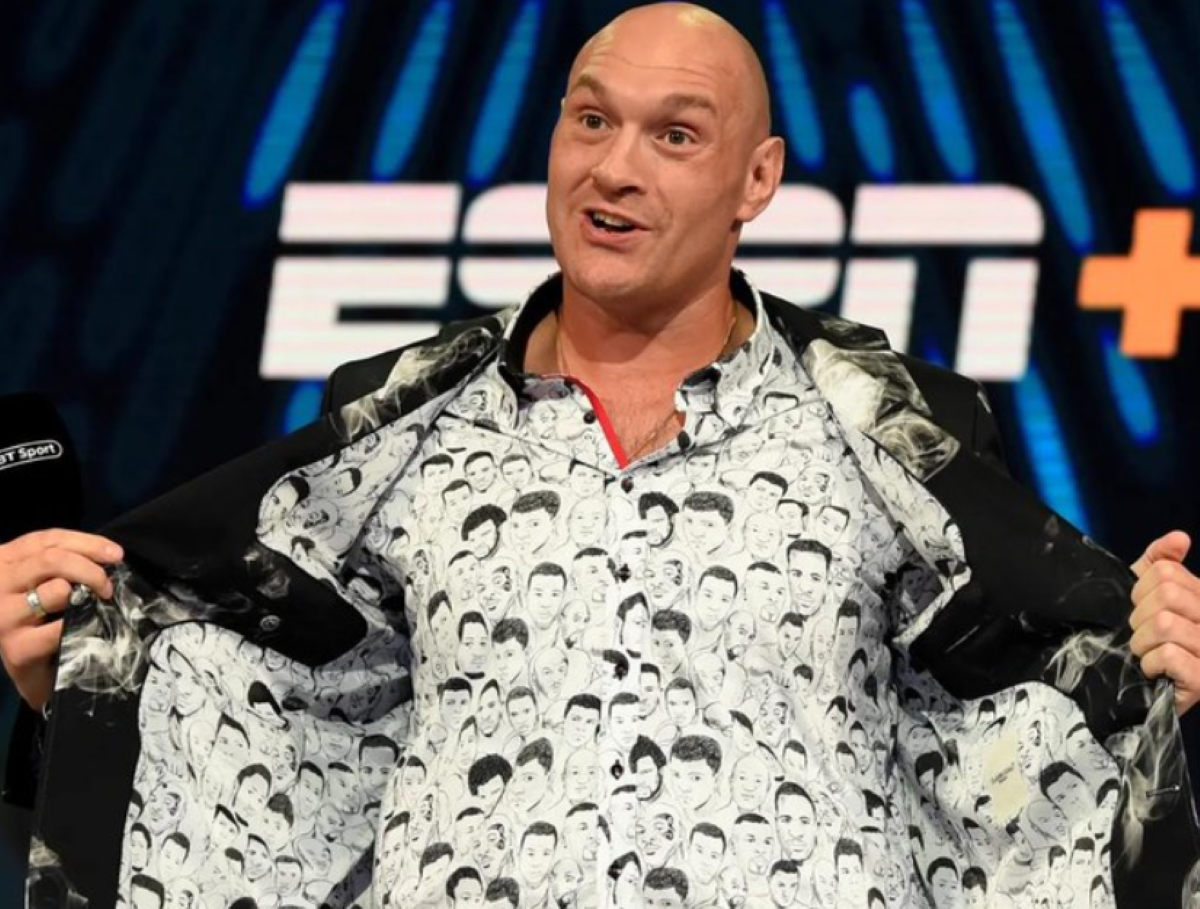
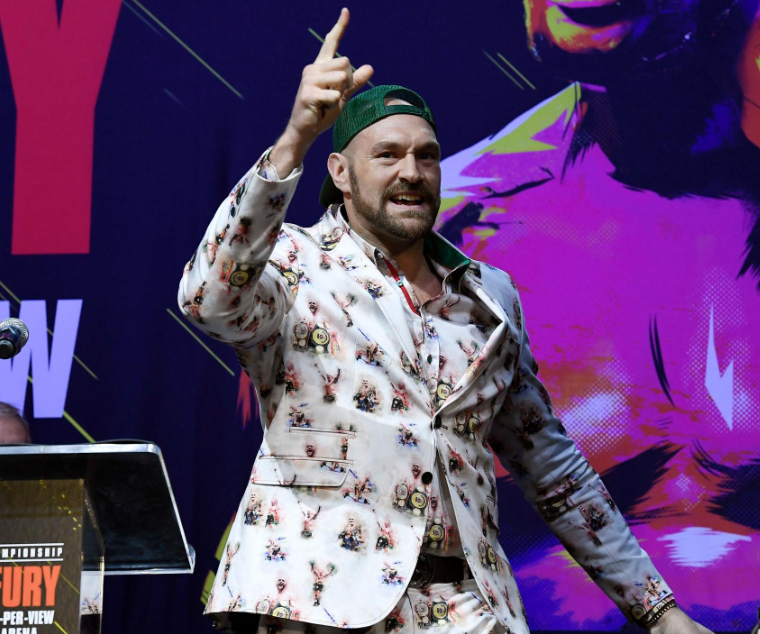
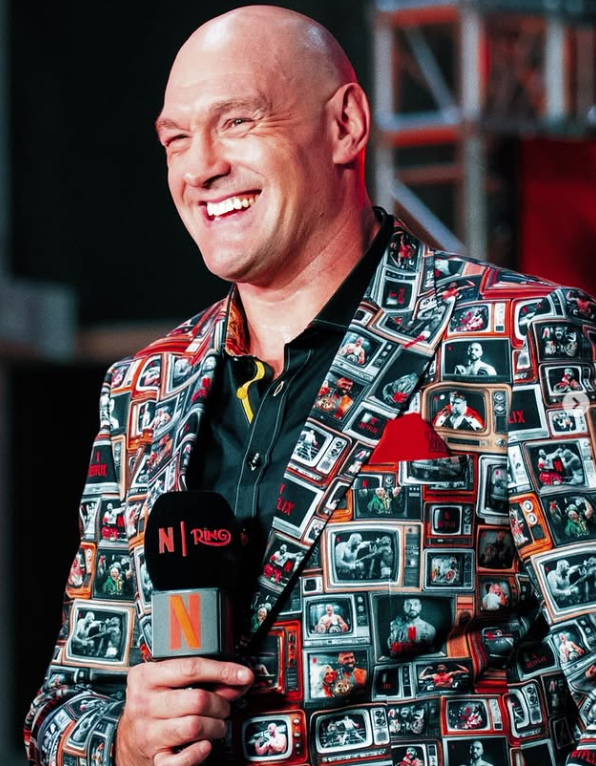
Traditional tailoring seeks balance, subtlety, and refinement. Salimian’s work, by contrast, embraces contrast, boldness, and individuality. The suits created for Tyson Fury are intentionally striking—vivid prints, unconventional patterns, and thematic designs that demand attention.
This approach is not arbitrary. It is aligned with Fury’s identity.
As Salimian himself has explained, the objective is to “show off his personality through the garments” and to use clothing as a medium for storytelling.
Each suit becomes an extension of the “Gypsy King” persona—larger than life, unpredictable, and unapologetically expressive. In this sense, the design process is not about imposing an aesthetic, but about amplifying an identity.
This is where Salimian separates himself from traditional diamond-cut precision tailoring houses. He does not design for anonymity. He designs for presence.
The Suit as Psychological Strategy


5
One of the most fascinating dimensions of this collaboration lies in its strategic intent.
In boxing, the fight often begins long before the athletes enter the ring. Press conferences, media appearances, and public interactions all contribute to the psychological landscape of the bout. Salimian’s designs play a role in this process, transforming clothing into a tool of influence.
Certain suits are created with explicit messaging—phrases embedded into patterns, visual cues designed to provoke or unsettle opponents. The now-famous “You Big Dosser” suit, for example, was crafted not merely as a design statement, but as a form of psychological warfare aimed at disrupting an opponent’s focus.
In this context, the suit becomes more than fashion. It becomes strategy.
It communicates confidence, unpredictability, and control—all before the first exchange of blows.
Storytelling Through Fabric

Perhaps the most defining element of Salimian’s work is the narrative dimension embedded within each piece.
These suits are not designed in isolation. They are built around themes—personal milestones, career achievements, cultural references, and even deeply personal subjects such as mental health. One design incorporated multiple facial expressions and quotes reflecting Fury’s journey through mental health struggles, transforming the garment into a platform for awareness.
This approach elevates tailoring into a form of storytelling rarely seen in traditional menswear.
The suit becomes a canvas.
The fabric becomes language.
The wearer becomes the message.
Loyalty in a World of Luxury Brands

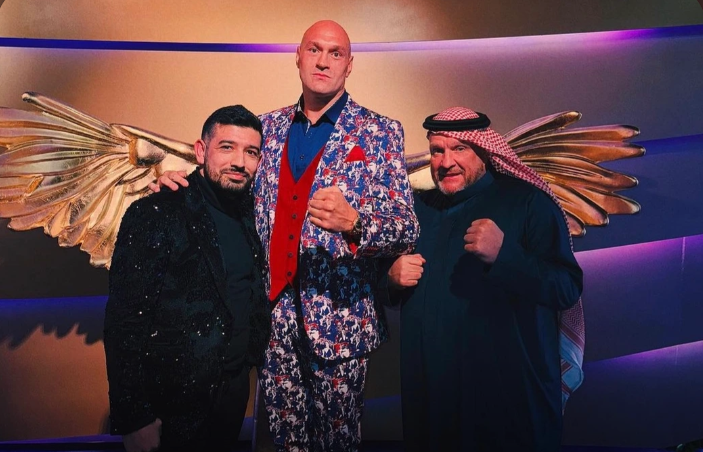
In an industry dominated by major fashion houses, the continued collaboration between Tyson Fury and Nav Salimian speaks to something deeper than aesthetics.
Despite receiving offers from global luxury brands, Fury has remained loyal to Salimian and the Claudio Lugli team—a decision rooted not in visibility or prestige, but in relationship and trust.
This dynamic reinforces one of the most important shifts in modern luxury: the move away from brand dominance toward personal connection. Clients are no longer choosing based solely on name recognition. They are choosing based on alignment, authenticity, and the ability to create something that feels uniquely theirs.
Salimian’s work embodies this shift. His value is not in the logo, but in the relationship.
A New Standard in Modern Tailoring

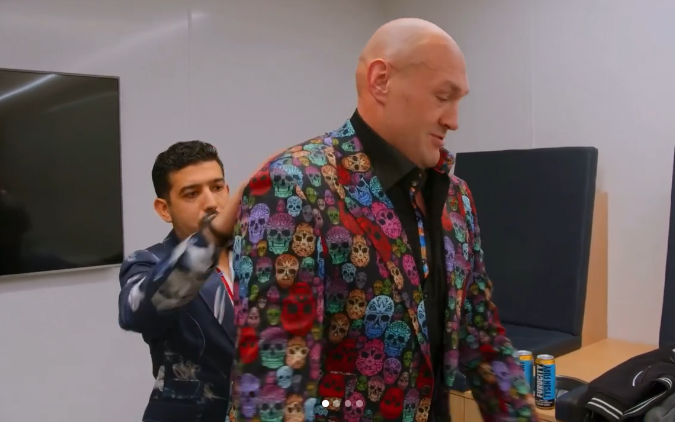
The collaboration between Nav Salimian and Tyson Fury represents more than a successful designer-client relationship. It signals a broader evolution in how tailoring is understood and applied.
The suit is no longer confined to tradition.
It is no longer limited to formality.
It is no longer defined by restraint.
Instead, it becomes a medium for identity, strategy, and storytelling.
Salimian’s work demonstrates that craftsmanship and creativity are not opposing forces—they are complementary. By combining second-generation expertise with a contemporary vision, he has redefined what tailoring can represent in a world where visibility is as important as precision.
Final Perspective

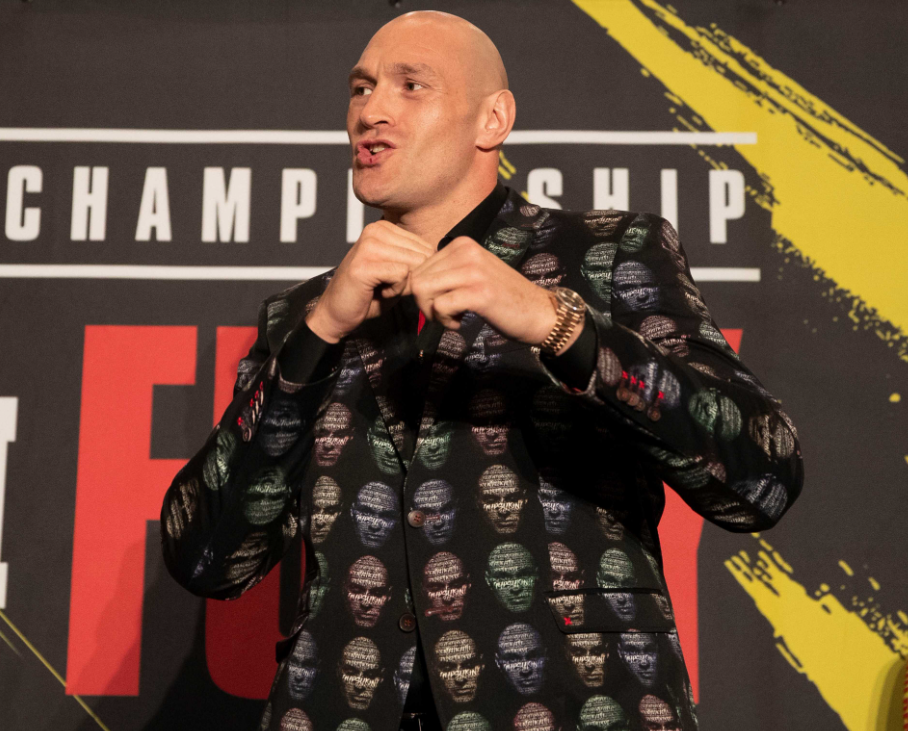
In a landscape where many designers seek to preserve tradition, Nav Salimian has chosen to reinterpret it.
His work with Tyson Fury is not about creating suits—it is about creating moments. Moments that capture attention, shape perception, and leave a lasting impression far beyond the confines of the ring.
Because in today’s world, true luxury is not defined by how quietly something speaks.
It is defined by how powerfully it is remembered.


