

A Star Steps Behind the Camera—But Not for the Reasons the Industry Expects
When a figure like John Travolta decides to direct for the first time after decades at the center of global cinema, the instinct is to interpret the move as either a late-career experiment or a personal indulgence. That interpretation, however, overlooks a more meaningful transformation quietly unfolding within the industry itself. Travolta’s directorial debut, Propeller One-Way Night Coach, does not emerge as a conventional expansion of his brand, nor as an attempt to reclaim former commercial dominance through spectacle or franchise alignment. Instead, it arrives as a deliberate repositioning, one that reflects a broader recalibration taking place among legacy figures who increasingly understand that long-term relevance is no longer sustained by visibility alone, but by authorship, emotional ownership, and narrative control.
The project is rooted in a children’s book Travolta wrote decades ago, inspired by his early fascination with aviation and the mythology surrounding travel in a pre-digital, pre-fragmented world. This origin alone reframes the film from the outset. It is not engineered from market data, trend analysis, or intellectual property acquisition strategies, but from memory, identity, and personal mythology. In an industry that has become increasingly optimized for scale, this shift toward internal storytelling rather than external validation marks a profound divergence from the dominant production model.
The Return of Emotional Texture in an Over-Optimized Industry
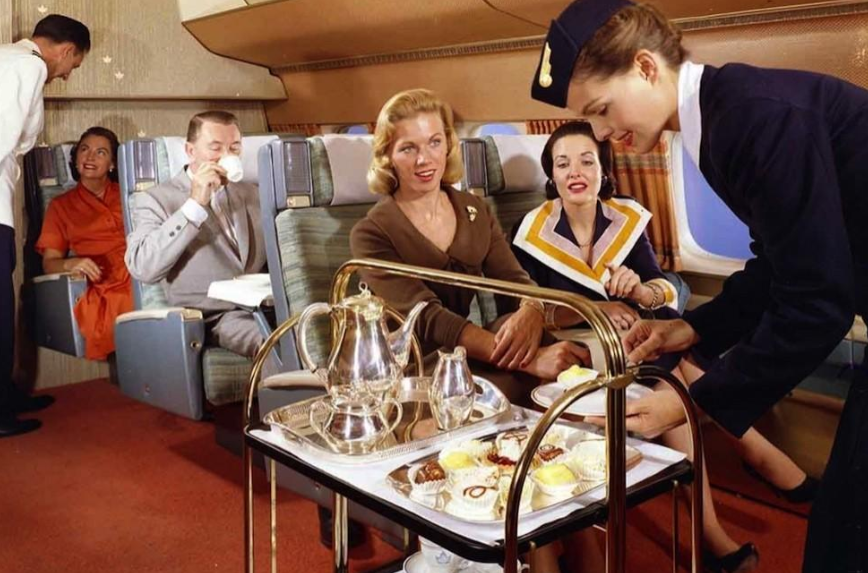
What distinguishes the early footage and positioning of Propeller One-Way Night Coach is not its subject matter, but its tonal commitment. The film leans into atmosphere, patience, and emotional continuity at a time when most contemporary productions rely on velocity, fragmentation, and overstimulation as mechanisms of engagement. This is not merely a stylistic preference but a strategic decision that acknowledges a growing fatigue among audiences who have been conditioned to consume rather than experience cinema.
Unlock the Entire Empowering Entertainment Library
This article is only the beginning.
Become a member and enjoy unlimited access to every premium magazine article, expert interviews, in-depth features, practical guides, and a growing digital library of hundreds of books covering business, entrepreneurship, film production, personal growth, health, relationships, AI, ADHD, and much more.
One membership. Hundreds of resources. New content added every week.