

When Authentic Voices, Cinematic Tension, and Cultural Depth Converge
A Story That Feels Urgent, Not Manufactured
In a media landscape saturated with formula-driven content, the projects that stand out today are not necessarily the biggest—but the most authentic. Watcher, the new television movie from filmmaker Jason Barbeck, arrives at precisely this intersection, offering something that feels increasingly rare: a story grounded in place, culture, and emotional truth.
Picked up by WIN HD TV as a Movie of the Week, Watcher is not just another pilot—it is the beginning of what is clearly envisioned as a larger, evolving series.
And from the outset, it positions itself as more than entertainment.
It positions itself as a statement.
A Premise That Carries Emotional Weight
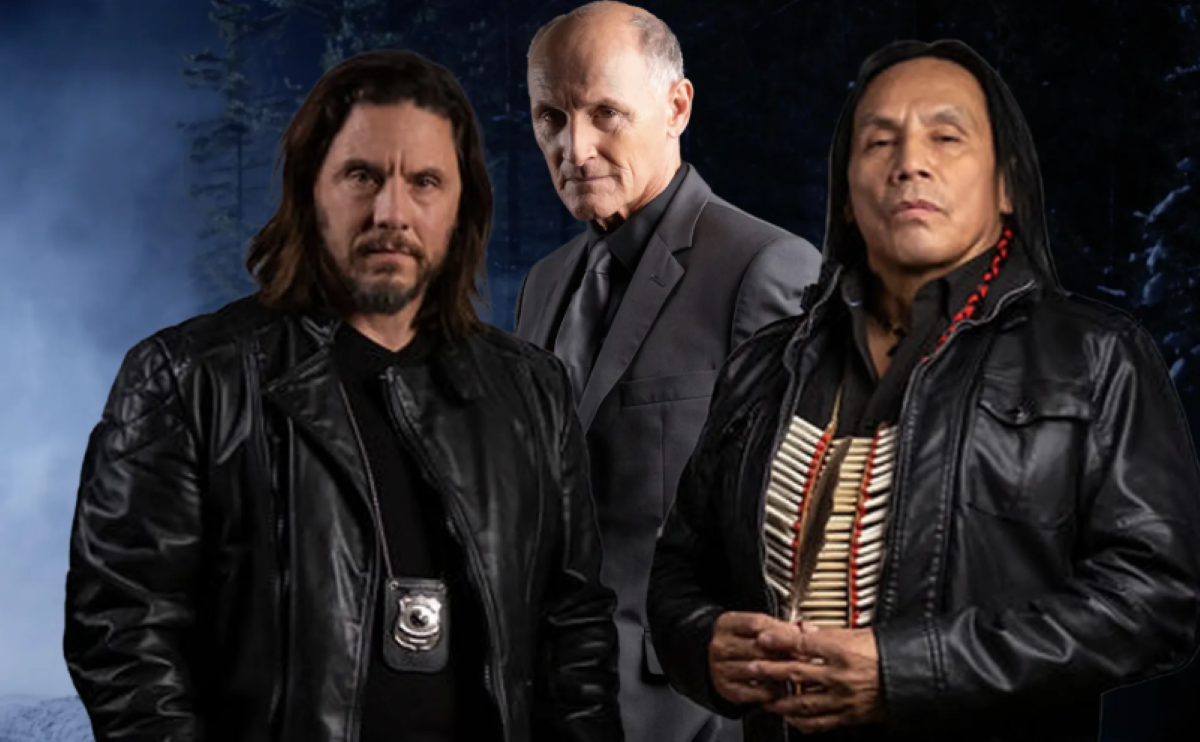
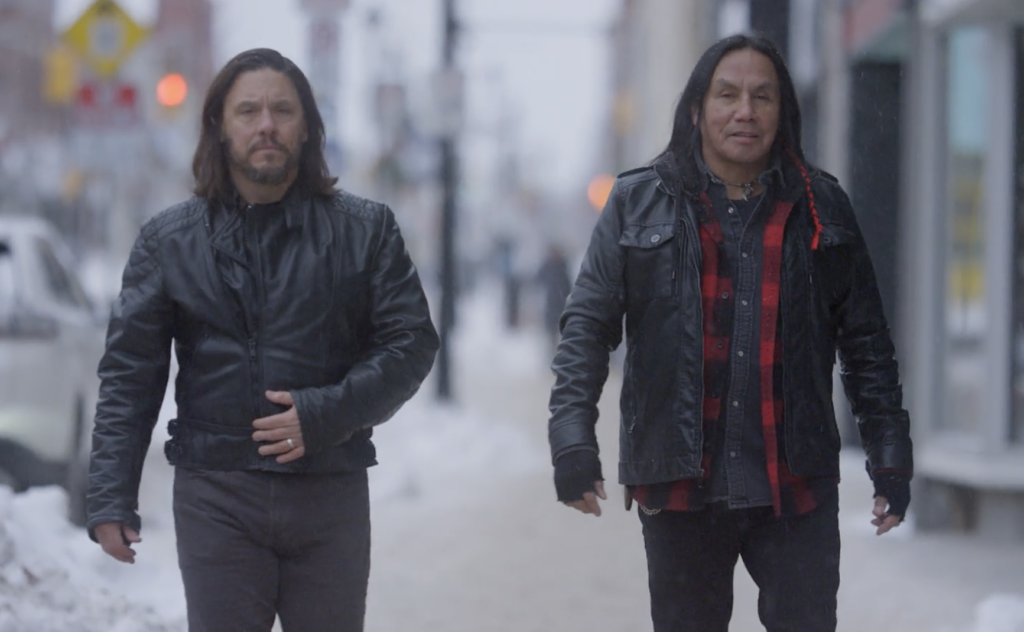
At the heart of Watcher lies a story that is both intimate and expansive: the disappearance of a young Indigenous girl from a First Nations reserve. The narrative follows a Woodland Cree tracker who reluctantly partners with a former city detective, creating a dynamic that blends instinct, experience, and cultural perspective.
This is not a conventional crime story.
It is a layered exploration of identity, justice, and the tension between worlds—urban and rural, modern and ancestral, visible and unseen. The emotional stakes are not artificially constructed; they are embedded in the reality the story reflects.
That authenticity is what gives Watcher its power.
Indigenous Storytelling at the Center
One of the defining elements of Watcher is its commitment to Indigenous-led storytelling. Developed in collaboration with Indigenous creators and anchored by talent such as Gerald Auger and Georgina Lightning, the project carries a level of cultural credibility that cannot be replicated through surface-level representation.
The intention is clear: this is not a story told about a community—it is a story told from within it.
This distinction matters.
It allows the narrative to move beyond stereotypes and into something far more meaningful: a portrayal of lived experience, where history, environment, and identity shape every aspect of the story. As Auger himself noted, the project explores where “historical injustices meet modern-day reality,” revealing deeper truths within both Western society and Indigenous communities.
A Cinematic Approach to Television
What also sets Watcher apart is its ambition in terms of visual storytelling.
Rather than adopting a purely episodic television style, the project embraces a cinematic approach—one that prioritizes atmosphere, pacing, and visual immersion. The landscapes are not simply backdrops; they are active elements within the narrative, shaping tension and emotion.
This aligns with a broader shift in the industry, where the line between film and television continues to blur. Audiences are no longer satisfied with content that feels disposable. They are seeking experiences that feel crafted, intentional, and visually compelling.
Watcher appears designed to meet that expectation.
The Team Behind the Project Matter
The creative team behind Watcher reflects a rare alignment between cinematic craft and authentic, lived experience, bringing together voices that understand both storytelling structure and cultural depth. At the center is Jason Barbeck, serving as writer and director, whose vision anchors the project in a character-driven, emotionally grounded narrative. His approach is not built on spectacle, but on tension, realism, and human complexity, supported by a team of experienced producers including Dale Hildebrand, Brian Kaulback, Nicholette Williams, and Gerald Auger. Together, they form a production framework that prioritizes meaningful storytelling over formula, positioning Watcher as a project designed to resonate beyond conventional television formats.
Equally important is the presence of Indigenous creative leadership, particularly through Gerald Auger and Georgina Lightning, whose involvement ensures that the story is not only told with authenticity but shaped from within the culture it represents. Their contribution brings a level of credibility and emotional truth that cannot be replicated through external interpretation, grounding the narrative in real perspectives while elevating its impact. Supported by 4 Directional Studios—an Indigenous-owned company dedicated to culturally rooted storytelling—the team behind Watcher represents a powerful model for the future of television: one where creative integrity, cultural voice, and cinematic ambition operate as a single, unified force.
From Pilot to Series Potential
The decision to launch Watcher as a Movie of the Week is not incidental—it is strategic.
The initial release serves as both a standalone experience and a foundation for future expansion. Plans are already in place to develop the project into a full series, with multiple episodes envisioned to continue the story.
This approach reflects a growing trend in the industry: using a strong, self-contained entry point to build audience engagement before expanding into a broader narrative universe.
If successful, Watcher has the potential to evolve into a long-term storytelling platform—one that combines suspense, character-driven drama, and cultural depth.
Why Watcher Matters Now
Timing plays a critical role in how a project is received.
Today’s audiences are increasingly drawn to stories that feel grounded, authentic, and socially relevant. They are moving away from generic narratives and toward content that offers perspective, depth, and emotional resonance.
Watcher aligns with this shift.
It is not trying to replicate existing formats. It is building its own identity—one that blends thriller elements with cultural storytelling in a way that feels both contemporary and necessary.
Final Perspective
Watcher is not positioned as just another television project.
It is a convergence of:
- Authentic Indigenous storytelling
- Cinematic production values
- A narrative rooted in real-world relevance
In an industry where attention is fragmented and content is abundant, projects that carry meaning tend to rise above the noise.
Watcher has all the elements to do exactly that.
Because the most powerful stories are not the ones that try to impress.
They are the ones that feel true—and stay with you long after the screen goes dark.

1 Comment
🪶🦅