

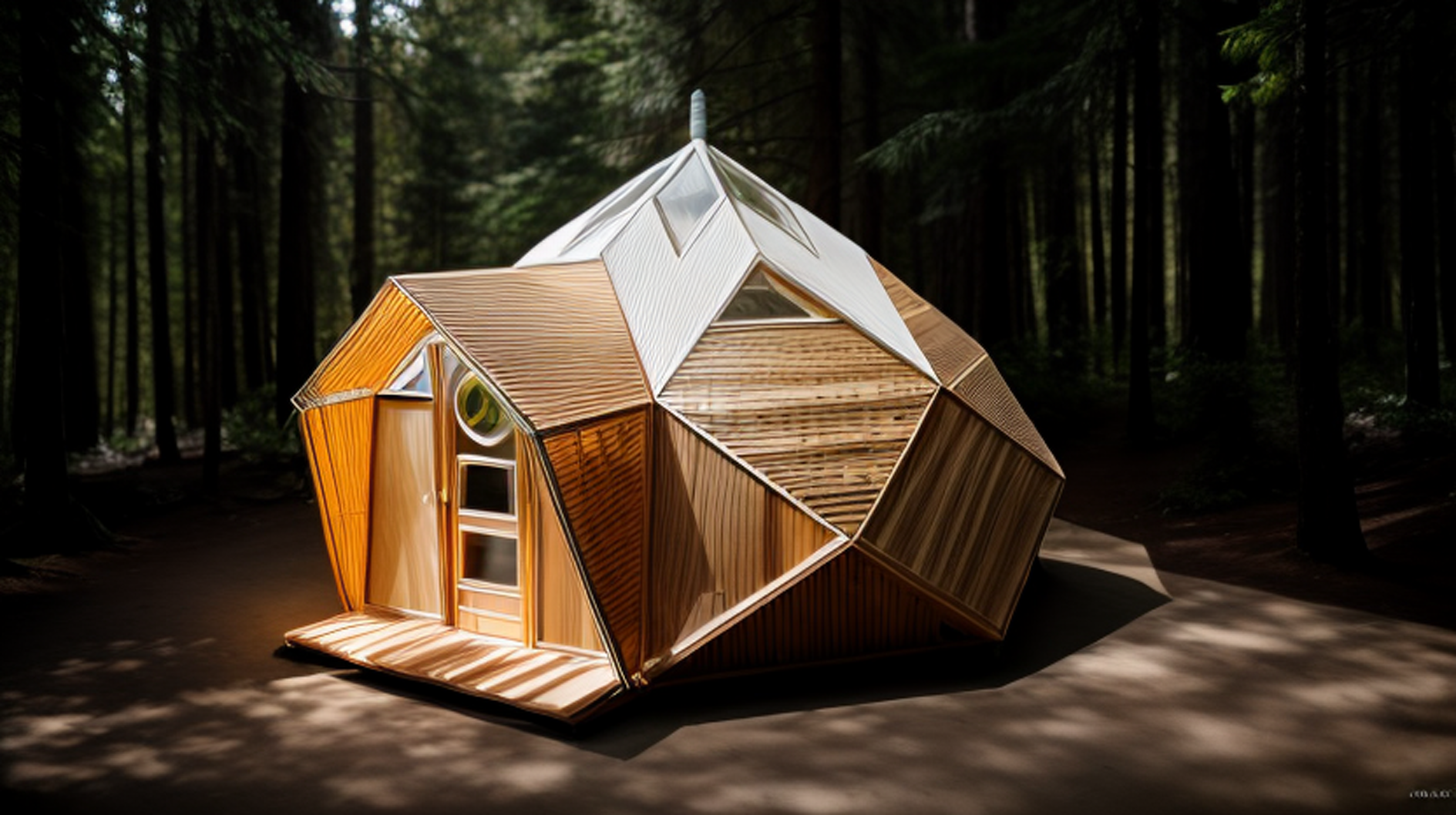
Why This Vision Is Perfectly Aligned with the Future of High-End Hotel Development
A New Definition of Luxury Is Emerging
Luxury hospitality is undergoing a profound transformation. The traditional model—centered on opulence, scale, and standardized excellence—is no longer sufficient to capture the attention of a new generation of global travelers. Today’s high-end clientele is not simply seeking comfort or prestige; they are seeking meaning, immersion, and a sense of emotional connection to the place they inhabit, even if only for a few nights.
This is precisely where the philosophy behind Essenciel Concept becomes strategically powerful.
Rather than approaching hospitality as a collection of services, the Essenciel approach reframes it as a total experience, where architecture, nature, art, and well-being are integrated into a single, coherent vision. It is not simply about designing a hotel—it is about constructing a narrative that guests step into.
Architecture as Experience, Not Just Structure
At the core of the Essenciel concept lies a radical rethinking of architectural space. Inspired by organic forms—most notably the structure of a tree—the design creates elevated, cocoon-like rooms that appear suspended between sky and earth. This is not an aesthetic choice alone; it is a psychological one.
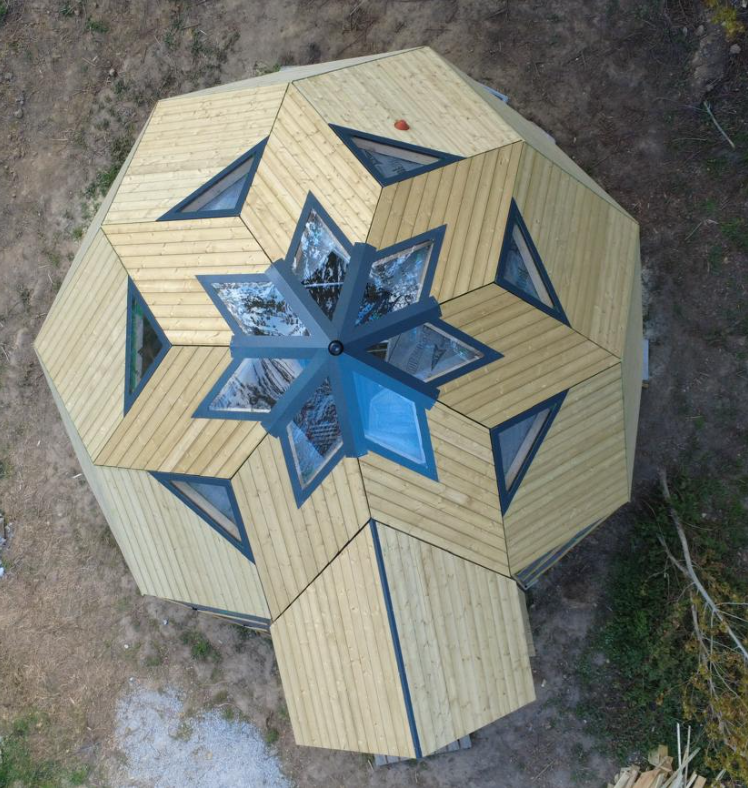
Guests are no longer positioned as occupants of a building, but as participants in an environment.
The concept, described as a patented and unique architectural approach, transforms the traditional hotel room into what can best be understood as a “nest”—a space designed for introspection, calm, and disconnection from the noise of the external world.
This shift is critical. In a market saturated with luxury properties, differentiation no longer comes from amenities alone. It comes from how a space makes a guest feel. By elevating rooms—both physically and conceptually—Essenciel introduces a sense of retreat that is both intimate and expansive.
The Integration of Nature, Art, and Well-Being
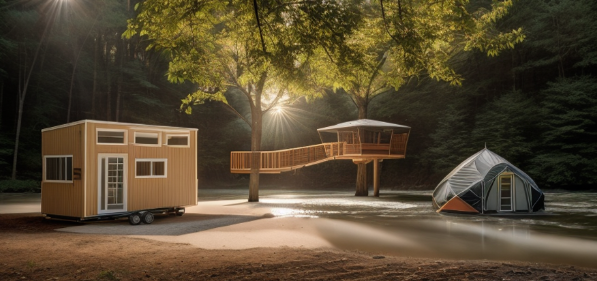
What further distinguishes the Essenciel model is its ability to integrate multiple dimensions of experience into a unified whole. It is not simply a place to stay; it is a curated environment where nature, art, and wellness coexist seamlessly.
Set within expansive landscaped grounds, the concept often incorporates elements such as sculpture parks, artistic installations, and immersive natural surroundings, transforming the property into a living cultural space rather than a static destination.
Wellness is equally central to the experience. Spa facilities, contemplative spaces, and design elements that encourage slowing down and reflection are not treated as secondary amenities, but as core components of the guest journey.
This alignment between environment and experience reflects a broader trend in luxury hospitality: the move from consumption to transformation. Guests are no longer simply purchasing a stay—they are seeking a shift in state, a moment of reconnection, or a sense of renewal.
A Concept Perfectly Positioned for Luxury Hotel Development
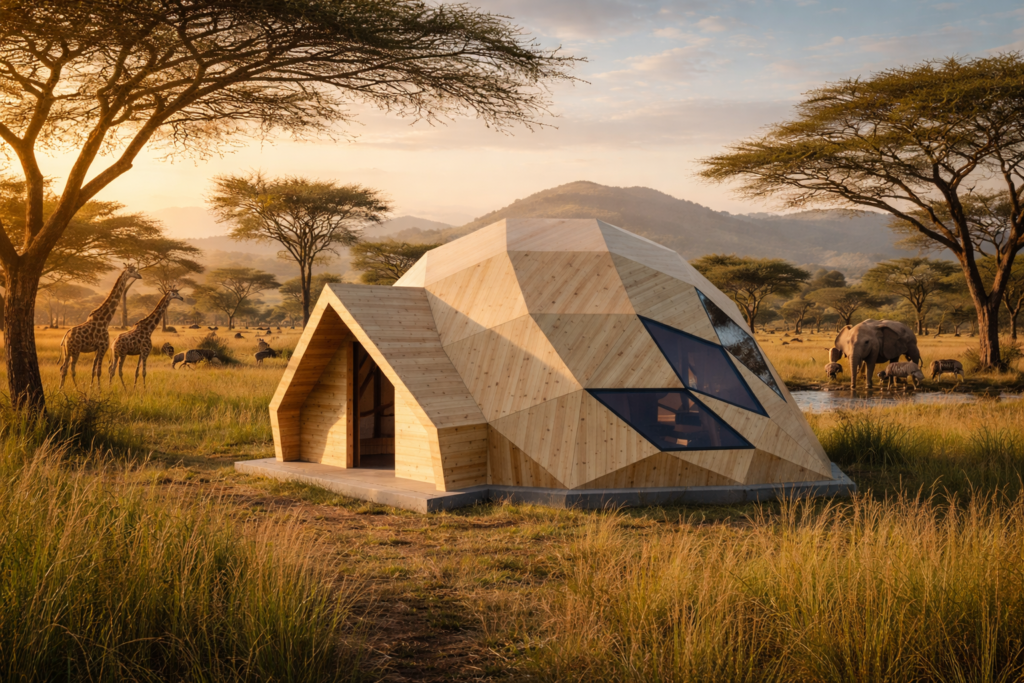
From a development perspective, the Essenciel concept aligns with several key shifts currently shaping the future of luxury real estate and hospitality.
First, it offers strong differentiation. In a competitive global market, where many properties compete on similar standards of service and design, a concept that is both visually iconic and experientially distinct becomes a powerful asset. It creates immediate recognition and, importantly, memorability.
Second, it supports premium positioning. Properties that deliver a unique, immersive experience are able to command higher rates, attract international clientele, and generate organic visibility through word-of-mouth and media exposure. The architectural boldness of the concept itself becomes a marketing engine.
Third, it aligns with sustainability and nature-driven development, two factors that are increasingly central to investor and consumer priorities. By integrating natural environments into the core design, rather than treating them as a backdrop, the concept resonates with a growing demand for eco-conscious luxury.
Finally, it enables multi-layered monetization. Beyond accommodation, the integration of art, wellness, gastronomy, and events creates multiple revenue streams within a single property. Guests are not simply booking rooms—they are engaging with an ecosystem.
The Emotional Advantage: Why This Model Resonates
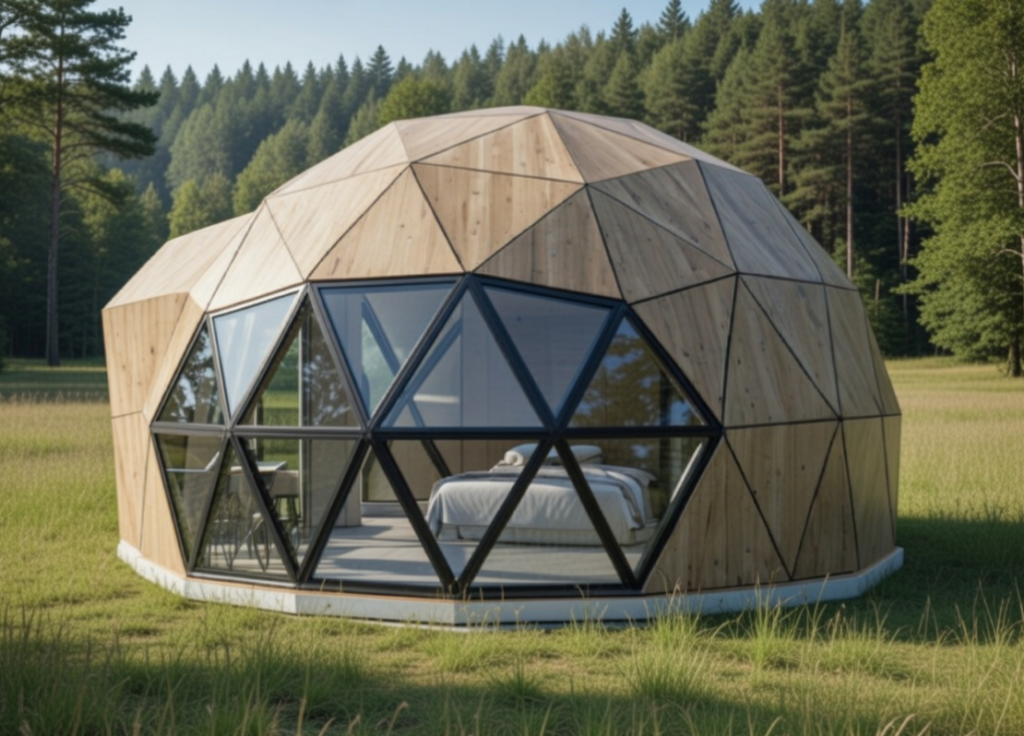
Perhaps the most important advantage of the Essenciel concept lies in its emotional impact.
In an era defined by constant connectivity, speed, and overstimulation, the ability to offer stillness, perspective, and immersion becomes a form of luxury in itself. The elevated “nest” design, the integration with nature, and the emphasis on contemplation create an environment that encourages guests to disconnect—not just physically, but mentally.
This is not incidental. It is intentional.
And it is precisely what positions the concept so effectively within the evolving expectations of high-net-worth travelers, who increasingly value experiences that offer depth rather than display.
A Blueprint for the Future of Hospitality
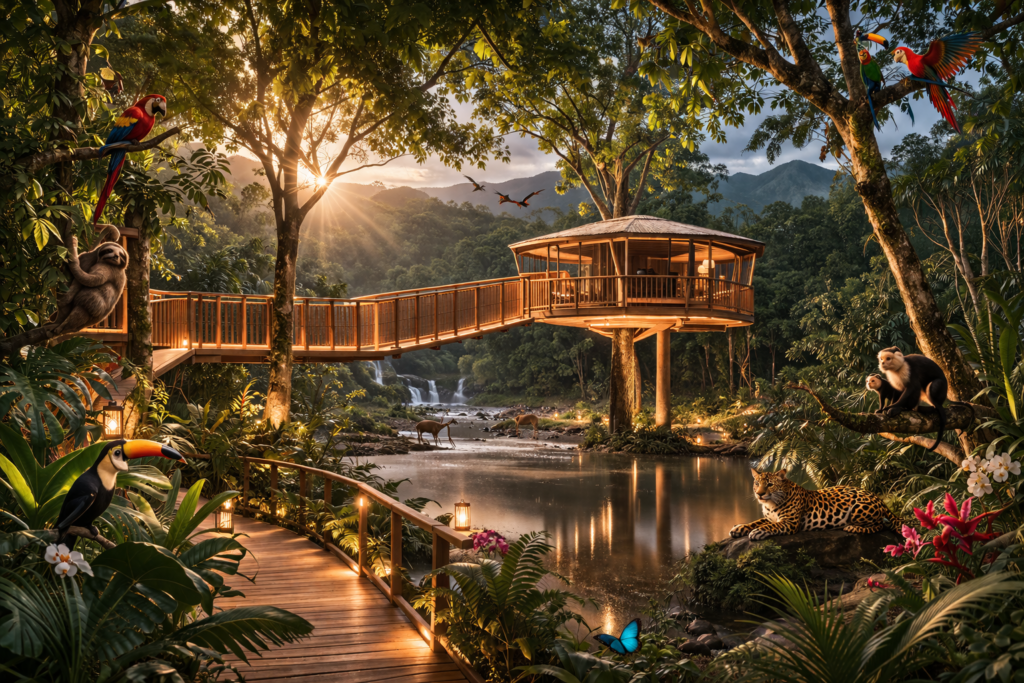
As the boundaries between hospitality, real estate, and experiential design continue to blur, concepts like Essenciel represent more than a design innovation—they represent a shift in how luxury is conceived.
They move away from standardized models and toward destination-driven experiences. They replace uniformity with individuality. They prioritize emotional resonance over visual excess.
For developers, investors, and operators, this presents a clear opportunity. Integrating such a concept into luxury hotel developments is not simply about adopting a new architectural style. It is about aligning with the future direction of the industry—one where differentiation, authenticity, and experience define value.
Final Perspective
Essenciel Concept does not attempt to compete within the traditional framework of luxury hospitality. It redefines it.
By combining architectural innovation, environmental integration, and a deeply considered guest experience, it offers a model that is both commercially compelling and culturally relevant. It speaks to a new generation of travelers, while providing developers with a blueprint for creating properties that stand apart in an increasingly competitive landscape.
In the end, the success of any luxury hotel lies not in what it offers, but in what it creates.
Essenciel creates something rare:
a space where architecture becomes emotion,
where nature becomes experience,
and where luxury becomes something deeply personal.
