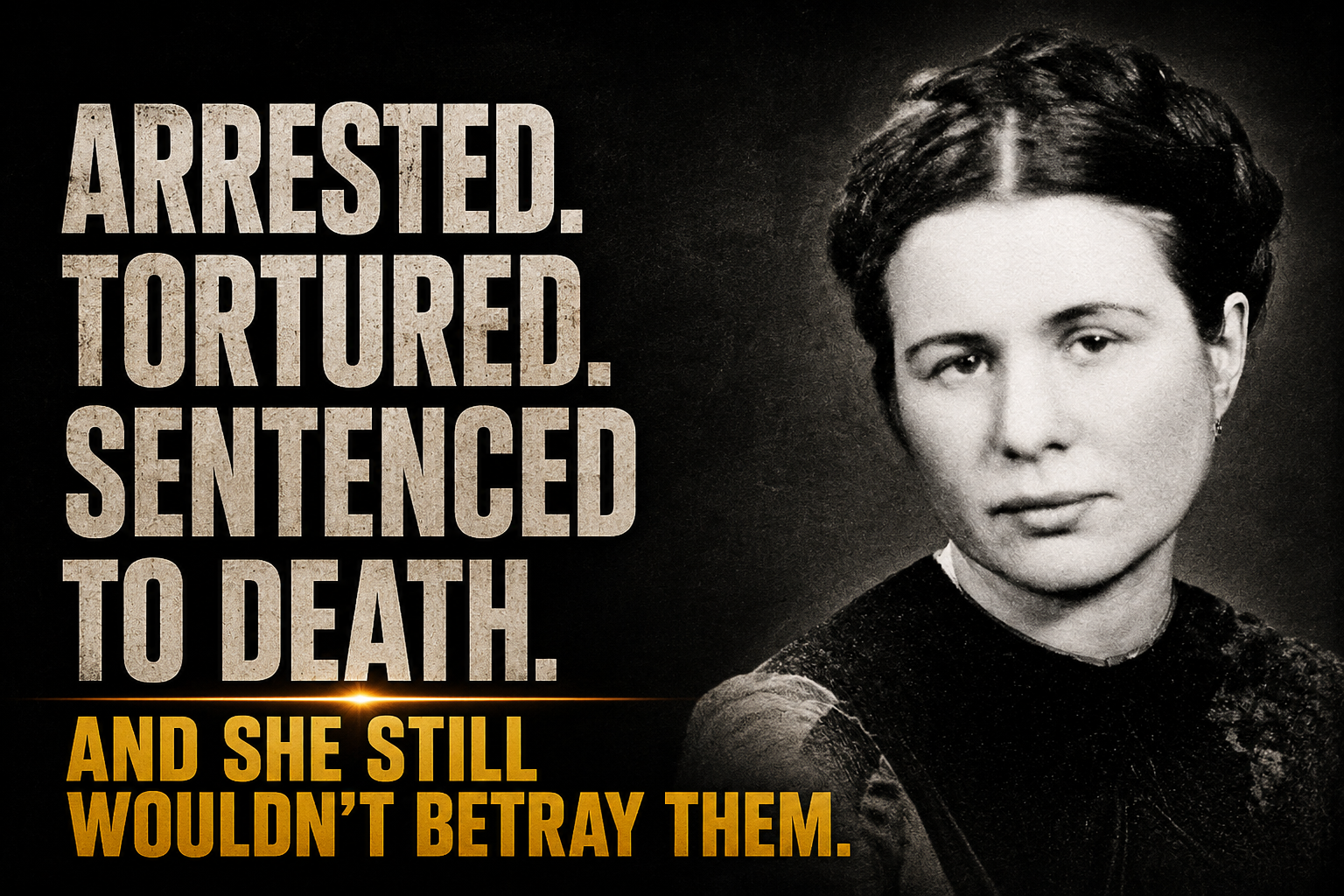
On October 20, 1943, Irena Sendler was arrested by the Gestapo in Nazi-occupied Warsaw. By then, the Polish social worker and resistance activist had become deeply involved in the clandestine network helping Jewish adults and children survive beyond the walls of the Warsaw Ghetto. Her arrest threatened not only her own life but also the lives of couriers, families, resistance members and hidden children whose safety depended upon secrecy. She was imprisoned, interrogated, brutally tortured and sentenced to death, yet she refused to reveal the information her captors wanted. Her eventual escape, arranged through Żegota after a German official was bribed, was extraordinary. What followed was even more remarkable: after experiencing exactly what capture could mean, Sendler returned to underground work.
This chapter of Sendler’s life forces us to examine courage without sentimentality. It is one thing to act while danger remains theoretical and another to continue after that danger has become physically undeniable. Before her arrest, Sendler understood intellectually that underground work could lead to imprisonment, torture and execution. After October 1943, she no longer had to imagine any of those consequences. She had endured them. The decision to continue therefore reveals the depth of her commitment more powerfully than any heroic slogan could, and it places her story squarely within the moral territory that has defined some of Roland Joffé’s most acclaimed work: the moment when conscience survives after fear has already proven itself justified.

Unlock the Entire Empowering Entertainment Library
This article is only the beginning.
Become a member and enjoy unlimited access to every premium magazine article, expert interviews, in-depth features, practical guides, and a growing digital library of hundreds of books covering business, entrepreneurship, film production, personal growth, health, relationships, AI, ADHD, and much more.
One membership. Hundreds of resources. New content added every week.