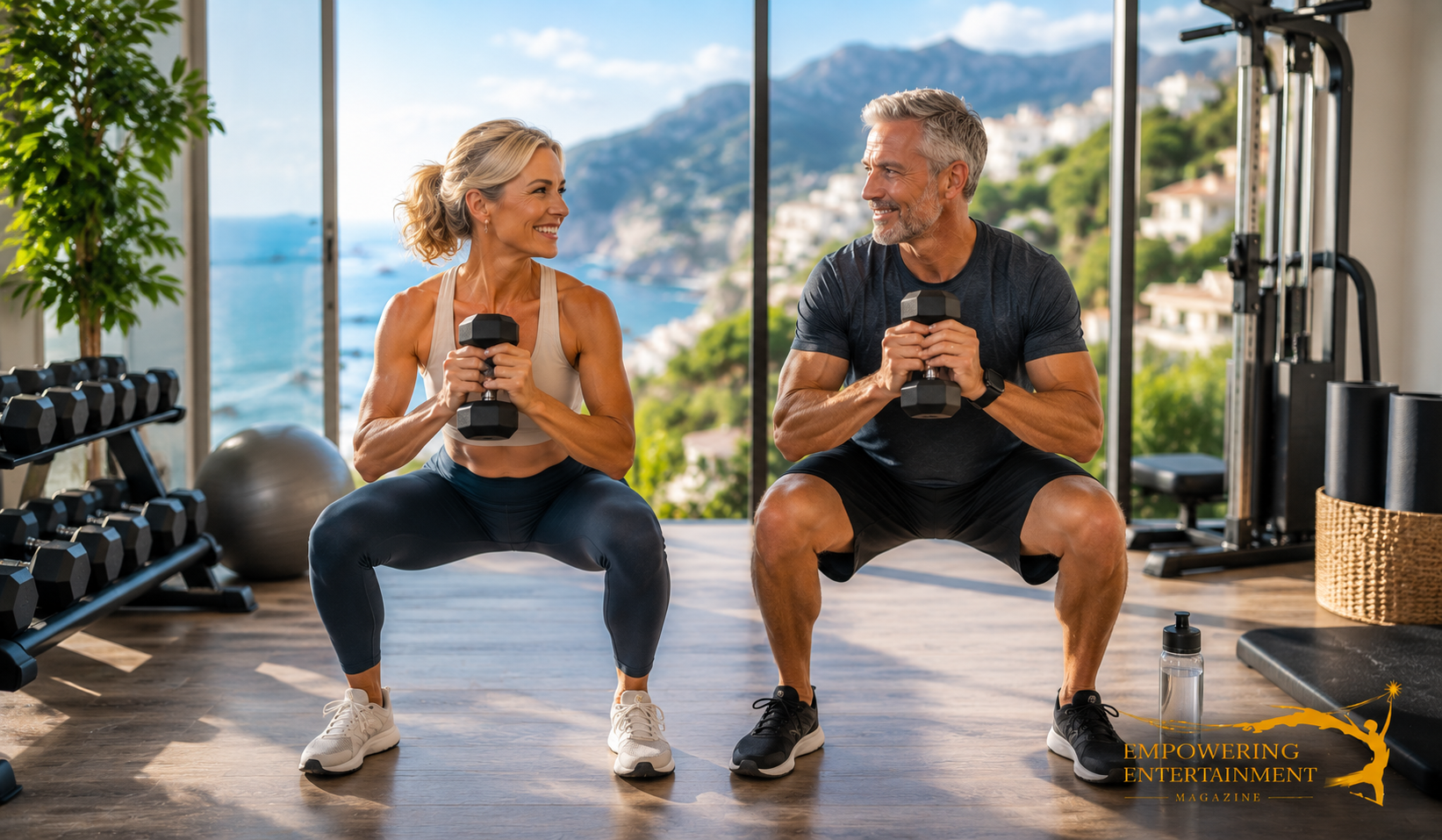
Week 11 – 12 Weeks to Reverse Your Biological Age Naturally
How Strength, Lean Muscle, and Metabolic Health Help Reverse Biological Aging
For decades, discussions about healthy aging have focused primarily on cardiovascular fitness, maintaining a healthy weight, or finding the latest nutritional strategy capable of extending lifespan. While each of these areas undoubtedly contributes to long-term wellbeing, one of the most powerful predictors of healthy aging often receives surprisingly little attention: skeletal muscle. Far from serving merely aesthetic or athletic purposes, muscle functions as one of the body's most important metabolic organs, influencing blood sugar regulation, hormone production, inflammation, immune function, brain health, mobility, bone density, and even resilience during illness. Scientists increasingly recognize that preserving lean muscle mass may be one of the most effective natural strategies for slowing biological aging and extending healthspan. Rather than viewing strength training as something reserved for athletes or younger adults, longevity research now positions muscle preservation as a lifelong investment that supports nearly every major system involved in healthy aging. If the goal is to naturally reverse biological age rather than simply add years to life, maintaining strong, functional muscle deserves to become one of the central pillars of that strategy.
If you would like to explore these principles in greater depth, the companion book Reverse Your Biological Age Naturally provides a comprehensive framework for improving healthspan through nutrition, movement, sleep, stress management, inflammation reduction, hormonal balance, and evidence-informed lifestyle habits. Rather than promoting cosmetic solutions or expensive interventions, the book focuses on practical, sustainable strategies that support long-term cellular health and healthy aging. Discover the complete guide at https://www.empoweringwomen.life/reverse-biological-age.
Many people assume that losing muscle is simply an unavoidable consequence of getting older. While aging naturally influences muscle mass over time, the speed at which this occurs is profoundly affected by daily lifestyle choices. Physical inactivity, insufficient protein intake, poor sleep, chronic inflammation, hormonal imbalance, and prolonged stress all accelerate muscle loss, while regular resistance training and proper nutrition can preserve—and in many cases rebuild—lean muscle well into later decades of life. Understanding why muscle functions as a biological engine rather than simply a source of physical strength changes the entire conversation about healthy aging. It shifts the focus away from appearance and toward one of the most effective natural tools available for maintaining vitality, independence, and a younger biological age.

Unlock the Entire Empowering Entertainment Library
This article is only the beginning.
Become a member and enjoy unlimited access to every premium magazine article, expert interviews, in-depth features, practical guides, and a growing digital library of hundreds of books covering business, entrepreneurship, film production, personal growth, health, relationships, AI, ADHD, and much more.
One membership. Hundreds of resources. New content added every week.