

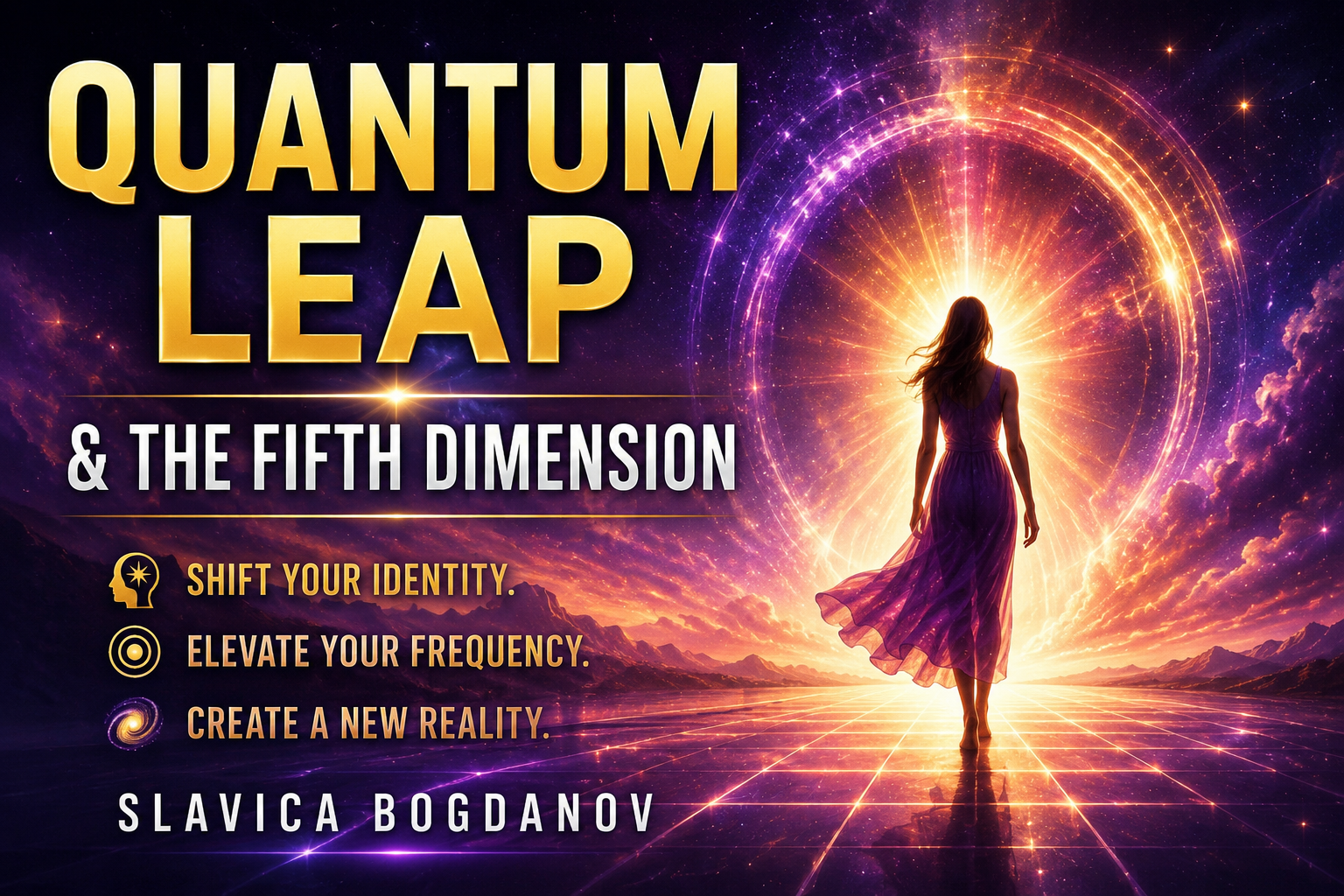
The Growing Shift Toward Identity, Energy, and Internal Alignment as the Real Drivers of Transformation
There is a point many people eventually reach where they begin realizing that effort alone does not always produce the results they expected it would. They work harder, stay disciplined, consume more information, push themselves further, and continue waiting for the breakthrough that never fully arrives. From the outside, it appears they are doing everything correctly. They are ambitious, intelligent, motivated, and constantly trying to improve their life. Yet internally, many remain trapped inside the same emotional patterns, financial ceilings, relationship dynamics, and recurring cycles year after year.
This realization can become deeply frustrating because modern culture conditions people to believe that more effort automatically creates more results. If something is not changing, the assumption is usually that the individual is not trying hard enough. They need more discipline, more strategy, more consistency, more hustle, or more patience.
But increasingly, many psychologists, performance experts, neuroscientists, and high-level performers are beginning to question whether effort itself is truly the missing variable.
What if the deeper issue is identity?
What if people continue recreating the same outcomes because internally they are still operating from the same self-concept, emotional state, expectations, and subconscious conditioning that produced their current reality in the first place?
This is precisely why concepts such as quantum leaps, identity transformation, energetic alignment, emotional regulation, and consciousness expansion have become such powerful conversations in modern personal development. While the terminology surrounding these ideas is sometimes misunderstood or presented in overly mystical ways, the core principle beneath them is surprisingly practical: external results often change fastest when internal identity changes first.
At the center of this philosophy is the understanding that human beings do not merely respond to reality objectively. They filter reality continuously through belief systems, emotional conditioning, expectations, nervous system patterns, attention, perception, and subconscious identity structures developed over years of repeated thought and emotional reinforcement.
In other words, people often do not simply create results through action alone. They create results through the version of themselves from which those actions originate.
This distinction changes everything.
Two individuals can perform similar actions while producing entirely different outcomes because their internal state shapes how they perceive opportunities, tolerate uncertainty, handle pressure, interpret setbacks, make decisions, communicate confidence, and emotionally sustain momentum. Someone operating from fear, urgency, scarcity, self-doubt, or emotional exhaustion may work incredibly hard while unconsciously reinforcing the very patterns keeping them stuck. Meanwhile, another person operating from clarity, certainty, emotional stability, and internal alignment often appears to create opportunities with significantly less struggle.
This is one of the reasons the concept of the “quantum leap” has become so compelling for people seeking rapid transformation. Contrary to popular internet interpretations, a true quantum leap is not simply magical thinking or passive manifestation. It is the process of creating such a significant internal shift in perception, identity, emotional state, and expectation that external reality begins reorganizing around the new internal structure far faster than traditional linear progress would predict.
Many high-performing individuals across business, sports, entertainment, and entrepreneurship unknowingly operate from these principles already. Elite performers often rehearse outcomes mentally before they happen. They stabilize belief before external evidence appears. They repeatedly condition emotional certainty rather than emotional desperation. They protect focus, expectation, and identity with extraordinary discipline because they understand performance is shaped internally long before it becomes visible externally.
This is also why so many manifestation approaches fail for people despite intense effort. Most individuals attempt to change results while emotionally remaining attached to fear, urgency, lack, overthinking, doubt, or constant awareness of what is missing. They may visualize success temporarily, but their dominant emotional state still reinforces the identity of someone who does not yet fully believe the reality is available to them.
The nervous system always reveals the deeper truth beneath conscious words.
Real transformation therefore requires much more than positive thinking alone. It requires emotional congruence. It requires stabilizing a new self-concept repeatedly until it becomes psychologically familiar rather than intellectually forced. It requires learning how to think, react, expect, and emotionally regulate from the perspective of the version of yourself you are attempting to become rather than continuously reinforcing the version you are trying to leave behind.
What makes this approach particularly powerful is that it often changes the experience of life itself, not only the outcomes. People who undergo genuine identity transformation frequently report reduced emotional resistance, increased synchronicities, clearer decision-making, stronger intuition, improved opportunities, and a sense that life begins flowing differently once internal conflict decreases. The external world often appears to shift rapidly because perception, behavior, emotional energy, and subconscious expectations have shifted first.
This does not mean action becomes unnecessary. It means action becomes more effective because it is no longer fueled primarily by fear, survival, emotional exhaustion, or scarcity.
The goal is not passive waiting.
The goal is internal alignment strong enough that reality begins responding differently to who you have become.
For many people, this realization becomes profoundly liberating because it removes the exhausting belief that success must always require constant struggle. It reframes transformation as something far deeper than productivity or motivation alone. Instead of endlessly forcing outcomes from the same emotional state, they begin focusing on becoming internally compatible with the life they want to create.
And once identity shifts deeply enough, external change often begins accelerating in ways that previously seemed impossible.
Because sometimes the greatest transformation does not happen through working harder.
Sometimes it happens through becoming someone entirely different.
READ MORE HERE
